Your microwave can do more than just reheat leftovers; it’s a secret weapon for making quick, healthy sides.
We’re talking about steaming vegetables, cooking whole sweet potatoes, and creating flavorful rice alternatives in minutes.
This article shows you four simple methods to transform fresh ingredients into nutritious dishes fast.
Jump To:
Create a Quick Microwave Cauliflower Rice Bowl
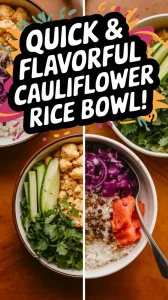
We’ve discovered that cauliflower rice becomes a game-changer when you need a healthy, low-carb side in minutes. From our own experience, this method produces fluffy, perfectly textured rice without any of the mushiness that stovetop cooking sometimes creates.
What we found works best is cutting fresh cauliflower into small florets and pulsing them in a food processor until they resemble rice grains. Place about 2 cups in a microwave-safe bowl with just 2-3 tablespoons of water.
Cover the bowl with a microwave-safe plate and cook on high for 4-5 minutes. The steam trapped inside creates the perfect cooking environment. One mistake we made early on was adding too much water, which made the cauliflower soggy.
We strongly suggest seasoning immediately after cooking while it’s still hot. Salt, pepper, and a drizzle of olive oil work wonders. For extra flavor, we often add minced garlic or herbs like parsley.
Whip Up Quick Microwave Garlic Asparagus
Nothing beats the convenience of microwave garlic asparagus when you need a sophisticated side dish fast. We’ve found that asparagus spears cook evenly in the microwave and retain their vibrant green color better than other cooking methods.
What I found works best is trimming the woody ends and arranging the spears in a single layer on a microwave-safe plate. Add 2-3 tablespoons of water and cover tightly with plastic wrap, leaving one corner slightly open for venting.
Cook on high for 3-4 minutes for medium thickness spears. Thicker spears need an extra minute or two. From my own experience, the asparagus should be bright green and tender-crisp when done.
We immediately toss the hot asparagus with minced garlic, butter, and a squeeze of lemon juice. The residual heat cooks the garlic just enough to mellow its bite without making it harsh.

Master Steaming Fresh Broccoli in the Microwave
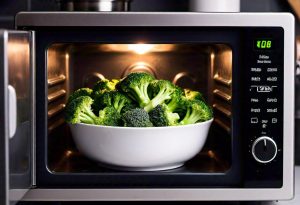
Steaming fresh broccoli in the microwave produces results that rival traditional steaming methods. We’ve perfected this technique through countless trials and found it preserves more nutrients than boiling.
Cut fresh broccoli into uniform florets about 1-2 inches in size. Place them in a microwave-safe bowl with 3-4 tablespoons of water. The key is using just enough water to create steam without drowning the vegetables.
Cover tightly with microwave-safe plastic wrap, leaving a small vent. Cook on high for 4-5 minutes depending on how tender you prefer your broccoli. I strongly suggest checking at the 3-minute mark for doneness.
One mistake we made initially was overcooking, which turned our bright green florets into mushy, olive-colored disappointment. The broccoli should still have a slight bite when perfectly done. Season immediately with salt, pepper, and a pat of butter while the florets are still steaming hot.
Also See: Refreshing Bulgur Salad for Summer (Microwave Prep)
Perfect a Microwave Baked Sweet Potato
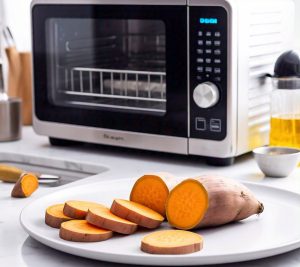
Cooking sweet potato in the microwave delivers perfectly tender results in a fraction of the time needed for oven baking. From my own experience, this method produces sweet potatoes with fluffy interiors and naturally caramelized sweetness.
What I found works best is selecting medium-sized sweet potatoes of similar size for even cooking. Pierce the skin 8-10 times with a fork to prevent bursting. One mistake I made early on was not piercing deeply enough, which caused a minor explosion in my microwave.
Place the sweet potato on a microwave-safe plate and cook on high for 5-8 minutes, depending on size. Turn it halfway through cooking for even heating. I strongly suggest checking doneness by gently squeezing – it should give slightly when fully cooked.
We’ve discovered that letting the sweet potato rest for 2-3 minutes after cooking allows the heat to distribute evenly. The skin becomes easy to remove, revealing that perfectly fluffy orange flesh underneath.
Essential Tips for Perfect Microwave Steaming
Mastering microwave steaming comes down to controlling moisture and heat distribution. We’ve learned that the right amount of water makes all the difference between perfectly steamed vegetables and soggy disappointments.
Water ratios matter tremendously. Use 2-3 tablespoons for dense vegetables like broccoli and cauliflower, but only 1-2 tablespoons for delicate options like asparagus. From my own experience, too much water creates a boiling effect rather than gentle steaming.
Covering technique is equally important. We always use microwave-safe plastic wrap pulled tightly over the bowl, leaving just a small corner vented. This creates the perfect steam environment while preventing dangerous pressure buildup.
Timing varies by vegetable density and your microwave’s wattage. What I found works best is starting with shorter intervals and adding time as needed. Most vegetables need 3-6 minutes on high power, but checking at the halfway point prevents overcooking.
One mistake I made repeatedly was not arranging vegetables properly. Thicker pieces go toward the outside of the plate where microwaves penetrate first. This simple adjustment improved our results dramatically.
We strongly suggest seasoning immediately after cooking while vegetables are still hot and slightly moist. Salt, herbs, and fats absorb better into warm vegetables, creating more flavorful results.
Why Microwaving is a Time-saver for Healthy Eating
Microwaving vegetables cuts cooking time by 60-80% compared to conventional methods. When you’re juggling work, family, and trying to eat healthily, those saved minutes add up to real lifestyle changes.
What we’ve discovered is that quick cooking times preserve more water-soluble vitamins like vitamin C and B vitamins. Steam cooking in the microwave retains up to 90% of nutrients compared to boiling, which can destroy up to 50% of these vital compounds.
From my own experience, the convenience factor cannot be overstated. I can steam asparagus while my protein finishes cooking, or whip up cauliflower rice during commercial breaks. This accessibility removes barriers to healthy eating.
The cleanup factor is huge for busy households. One microwave-safe bowl replaces multiple pots, steamers, and colanders. We’ve found this simplicity encourages us to cook vegetables more frequently rather than reaching for processed alternatives.
Energy efficiency also matters. Microwaves use about 50% less energy than conventional ovens for small portions. When you’re cooking single servings or sides for 2-3 people, the microwave wins hands down for both time and environmental impact.
I strongly suggest batch prepping vegetables using these microwave methods. Steam several portions of different vegetables on Sunday, then simply reheat throughout the week. This strategy transforms your relationship with healthy eating from time-consuming chore to convenient habit.
Ready to Transform Your Side Dish Game?
We’ve shown you four fantastic ways to create healthier sides using just your microwave. These techniques save time while preserving nutrients that traditional cooking methods often destroy. From cauliflower rice bowls to perfectly steamed broccoli, your microwave becomes a powerful tool for quick, nutritious meals.Start with one recipe that excites you most – maybe that garlic asparagus for tonight’s dinner or a fluffy sweet potato for tomorrow’s lunch. Once you master the basics of microwave steaming and timing, you’ll wonder why you ever waited for water to boil. Your family will love these vibrant, flavor-packed sides that take just minutes to prepare.