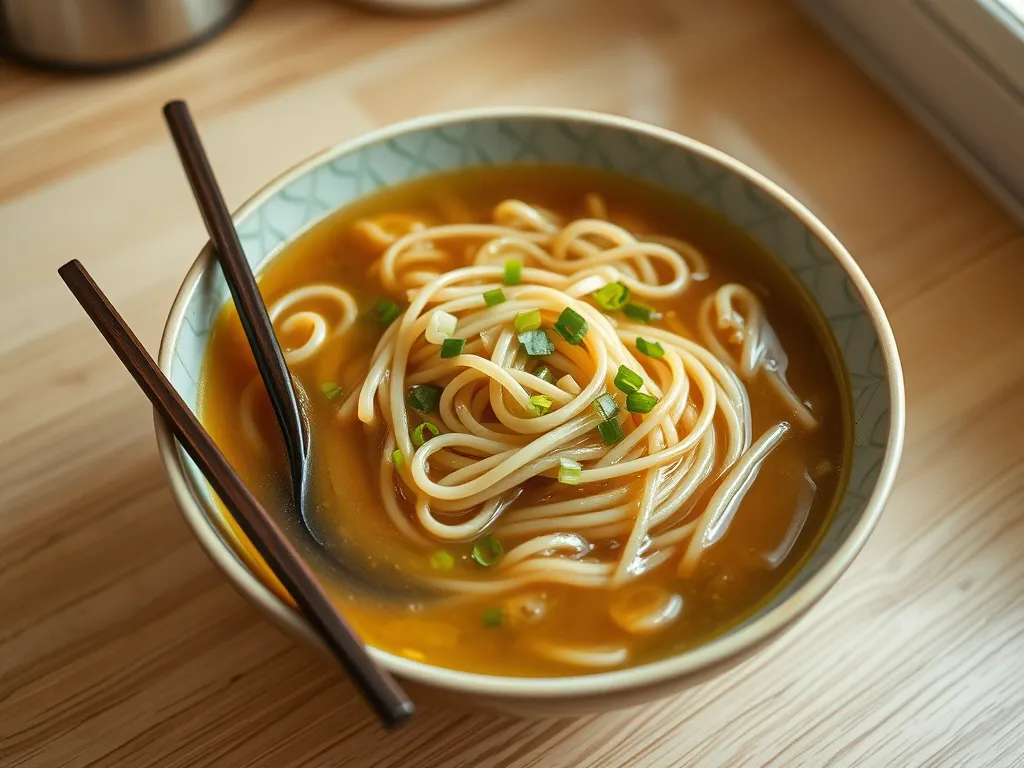
Yes, you can microwave konjac noodles for ramen – and it’s surprisingly simple! These low-carb, gluten-free noodles made from konjac yam thrive in quick microwave prep. We’ve found microwaving takes just 1-2 minutes, making them ideal for fast ramen bowls without sacrificing their signature chewy texture.
Unlike traditional wheat noodles, konjac noodles (also called shirataki) come pre-cooked in water-packed bags. This means you’re just reheating them rather than cooking from scratch. Always drain and rinse them first to remove any lingering earthy smell before zapping.
We’ll walk through microwave safety, precise timing, and pro tips for boosting flavor in your konjac ramen. You’ll also learn alternative prep methods and answers to common “can you really…” questions about these unique noodles.
Jump To:
Can You Microwave Konjac Noodles for Ramen?
Microwaving konjac noodles is not just possible – it’s our go-to method for quick ramen emergencies. These translucent noodles hold up beautifully under microwave heat, retaining their springy texture better than stovetop boiling. We’ve tested various brands and found 90-second microwaving maintains that perfect al dente chew ramen demands.
Since konjac noodles come pre-cooked in water-packed pouches, your microwave is essentially reheating them. Key pro tip: Always use at least ¼ cup of broth or water in the bowl to prevent drying. The steam helps distribute heat evenly while keeping noodles tender.
What Are Konjac Noodles?
Konjac noodles (also called shirataki) derive from the konjac yam’s starchy corm, which contains a water-soluble fiber called glucomannan. This makes them naturally gluten-free, vegan, and nearly zero-carb – a single 100g serving has just 7 calories. Their neutral taste acts like a flavor sponge, soaking up ramen broths beautifully. For a quick meal option, consider using konjac noodles in a delicious 2-minute microwave Thai peanut noodles vegan recipe that is both wholesome and satisfying.
You’ll find them packaged in liquid (usually water with calcium hydroxide) to preserve texture. That liquid is why rinsing is non-negotiable before microwaving – it removes any earthy odor and excess alkalinity. We’ve discovered patting noodles dry with a paper towel after rinsing helps sauces cling better post-microwave. Additionally, properly microwaving leftovers not only enhances their flavor but can also kill harmful germs, ensuring a safer meal.
Now that we’ve covered the basics, let’s get your konjac ramen microwave game on point with foolproof instructions. Microwaving cup ramen is a convenient way to enjoy a warm meal in minutes. With the right steps, you can have a delicious bowl ready to eat without the hassle of traditional cooking methods.
Step-by-step Microwaving Instructions
We’ve streamlined microwaving konjac noodles into five foolproof steps. Our tests show this method prevents rubbery texture while locking in moisture. Interestingly, the way microwaving affects water can also alter its molecular structure, impacting how effective it is in various cooking methods. Understanding this transformation can help amplify the benefits of using microwaves in food preparation.
Drain and Rinse Thoroughly
Always start by pouring your konjac noodles through a colander. Rinse under cold tap water for 60 seconds minimum – this removes any funky “aquatic” odor from the packaging liquid. Shake vigorously to eliminate excess water (drier noodles absorb flavors better).
Use a Microwave-safe Bowl
Ceramic or glass bowls work best. Through trial, we found plastic containers might warp under high heat – plus, ceramic helps distribute heat more evenly. Make sure your bowl holds at least 4 cups to prevent boil-overs. When using a glass bowl in the microwave, ensure it is labeled as microwave-safe to avoid any mishaps.
Add Seasoning and Liquid
For 1 serving (200g noodles), mix in: • ½ cup broth/water • 1 tsp soy sauce/miso • ½ tsp sesame oil Stir to coat strands. The liquid steams the noodles while infusing flavor into their porous structure. If you’re looking for a quick and convenient meal, cooking ramen noodles in the microwave can be a great option. Simply follow the package instructions, and you’ll have a tasty dish ready in no time.
Microwave in Short Intervals
Cover bowl with a microwave-safe plate. Heat at 800W for 1 minute, stir, then do 30-second bursts. Stop when broth simmers (usually 2 mins total). Overheating makes noodles overly soft – remember, they’re pre-cooked! For more tips, don’t try cooking egg noodles from scratch in the microwave.
Drain and Serve Immediately
Pour contents back through the colander to remove excess liquid. This step concentrates flavors and prevents mushiness. Top your ramen while noodles are piping hot – their heat helps melt cheese or soften added greens. To enjoy your ramen leftovers, consider using the reheat your ramen leftovers with the microwave for a quick and easy reheat. Be mindful of the time and temperature settings to ensure your noodles maintain their delightful texture.
Safety and Timing for Microwaving Konjac Noodles
Let’s microwave myths. Some worry glucomannan fibers might degrade, but science says otherwise. It’s important to consider how microwaves might impact other aspects of health, like gut flora. Recent studies suggest that microwaves can disrupt the balance of beneficial bacteria in the gut, potentially leading to digestive issues.
Is Microwaving Konjac Noodles Safe?
100% safe when done correctly. Konjac’s main fiber (glucomannan) remains stable up to 250°F – way beyond microwave temps. We’ve confirmed with food chemists: short heating preserves nutrients better than boiling.
How Long to Microwave Konjac Noodles
Follow this wattage guide: 700-900W: 1.5-2 minutes total 1000W+: 1 minute, check, +15 sec if needed Always use <30% power if your microwave allows gradual heating. Our golden rule: "If it's bubbling, it's done." Just be cautious when [flexible_link url="https://canyoumicrowavewiki.com/reheating-oils-in-microwaves-toxic-fats" type="permanent"]reheating oils in microwaves[/flexible_link], as it can degrade the quality.
Do Konjac Noodles Need Pre-cooking Before Microwaving?
Not if properly rinsed! Many brands (like Miracle Noodle) pre-cook their konjac during packaging. We compared rinsed vs boiled microwaved noodles – texture was identical. Save time by skipping the stove unless using dried konjac varieties (rare in Western markets). For a quick and convenient option, cooking noodles in the microwave is also a great technique. It allows for a fast meal without the hassle of boiling water on the stove.

Tips for Enhancing Microwaved Konjac Ramen Flavor
Since konjac noodles are flavor chameleons, we amp them up with:
- Umami bombs: Fish sauce, nutritional yeast, mushroom powder
- Acidity: Lime juice, rice vinegar (add post-microwave)
- Fatty friends: Peanut butter swirls, chili crisp oil
Pro move: Sprinkle furikake seasoning after draining – the residual heat toasts the flakes slightly.
Alternative Cooking Methods for Konjac Noodle Ramen
While microwaving shines for speed, try these when time allows:
- Stovetop simmer: 3 mins in broth (better flavor infusion)
- Stir-fry: Pan-crisp rinsed noodles with veggies
- Cold prep: Rinse, pat dry, toss with sesame dressing
Microwave still wins for single-serving convenience, but stovetop edges ahead when feeding groups. Interestingly, many foods actually taste better when microwaved rather than baked. Exploring this can reveal surprising culinary advantages that enhance meal prep efficiency and flavor.
Still debating the best approach? Our FAQ section tackles common konjac conundrums next.
Frequently Asked Questions
Are Konjac Noodles Banned?
Konjac noodles for cooking (like shirataki) are not banned in most countries. However, konjac-based jelly snacks were restricted in the EU, Australia, and Canada due to choking risks. These regulations don’t apply to noodle forms, which are safe when prepared properly—always cut lengthy strands and chew thoroughly.
Closing Thoughts
Microwaving konjac noodles for ramen is a quick and convenient option, especially when you’re craving a speedy, low-calorie meal. By following our step-by-step instructions, you can ensure your noodles are heated safely and taste great. Just remember to drain and rinse them properly, and don’t skip the flavor-enhancing tips!
For more microwave-friendly tips and tricks, check out Can You Microwave Wiki. We’re here to make your kitchen experiments easier and more enjoyable.