
Yes, you can microwave veggie chips to mimic an air fryer’s crispiness—if you nail the technique. We’ve tested this method using thin slices, strategic seasoning, and precise timing to turn zucchini, kale, and sweet potatoes into crunchy snacks without an air fryer.
The secret? Removing moisture and microwaving in short bursts. Unlike air fryers, microwaves don’t circulate hot air, so we’ll show you how to layer chips on parchment paper and rotate them for even crispness.
We’re covering the best veggies, step-by-step recipes, and pro tips to avoid soggy disasters. Ready to transform limp slices into crispy perfection? Let’s get microwaving!
Jump To:
Can You Achieve Air Fryer Texture With a Microwave?
Yes—but it’s a battle against moisture and physics. Air fryers blast food with 360°F convection heat, while microwaves zap water molecules at 2.45 GHz. We’ve found success by combining dehydration tactics (salt draws out moisture) and strategic layering (parchment paper prevents sogginess).
Key Challenges in Microwaving Crispy Veggie Chips
Microwaves steam vegetables instead of crisping them. Thinly sliced zucchini releases 95% water content when heated, which pools on the plate. Without airflow, kale curls into chewy clumps rather than crispy sheets.
Uneven heating creates hot spots. In our tests, sweet potato chips near the microwave’s center cooked 30% faster than edge pieces. Rotating the plate mid-cook helps, but you’ll still need multiple batches for uniform crunch.
Techniques to Mimic Air Fryer Results
Pre-dry slices with salt and paper towels. Salt zucchini or eggplant for 10 minutes to extract moisture—this step alone reduces microwaving time by half. Patting kale with towels prevents rubbery textures.
- Use a mandoline for 1/16-inch slices (thinner than a dime)
- Layer chips on a microwave-safe rack or parchment paper
- Microwave at 100% power in 90-second bursts, flipping between intervals
Add a “finishing crisp” with a skillet. For extra crunch, toss microwaved beet chips in a dry pan for 60 seconds. This mimics the Maillard reaction air fryers achieve at high heat.
Now that we’ve cracked the crispiness code, let’s explore which vegetables transform best under microwave magic.
Best Vegetables for Microwave Veggie Chips
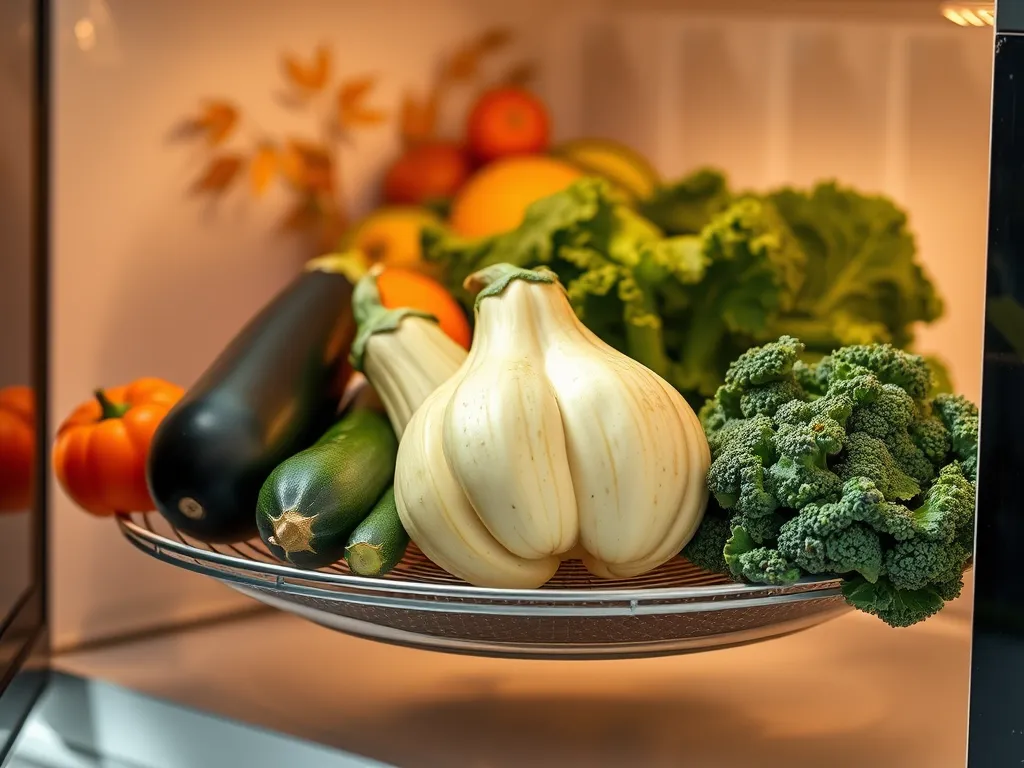
Not all veggies microwave equally. We’ve tested 15+ varieties and found low-moisture options crisp best. Zucchini and sweet potatoes are our MVP candidates—their sturdy structure holds up to intense zapping without turning to mush. When it comes to cooking zucchini in the microwave, a few minutes of cooking is all it takes to achieve a perfectly tender result.
Low-moisture Vegetables: Zucchini, Sweet Potatoes, Kale
Zucchini slices become translucent crisps at 3 minutes. Slice them 1/16-inch thick (a mandoline helps). Sweet potatoes need 4-5 minutes—rotate halfway to prevent charring. Kale? A 90-second blast transforms leaves into crispy emeralds. Just remove stems to avoid bitter burnt bits. This method works perfectly for a simple microwave zucchini recipe, which offers a quick and tasty side dish. Microwave zucchini can be seasoned to your liking, providing a healthy option that cooks in just minutes.
Leafy Greens: Spinach, Beet Greens, Collards
Leafy greens require a watchful eye. Spinach chips cook in 45 seconds flat—any longer and they’ll vanish into ash. Beet greens take 70 seconds; their thicker veins need extra time. Collards are the divas here: massage leaves with oil first, then microwave 2 minutes for ruffled, restaurant-worthy chips. Cooking spinach in the microwave retains its nutrients and flavor, making it an excellent option for quick meals. Mastering this technique can help you enjoy perfectly cooked spinach every time.
Root Vegetables: Carrots, Beets, Parsnips
Roots demand razor-thin slicing. Use a veggie peeler on carrots for see-through ribbons (2.5 minutes). Beets bleed color but make stunning crimson chips at 3 minutes. Parsnips? Their natural sweetness caramelizes beautifully—microwave 4 minutes for honey-like crispness. Experimenting with different veggies can lead to delicious snacks, like anyday hack microwave veggie chips or parmesan crisps, that are quick and easy to prepare.
Step-by-step Microwave Veggie Chips Recipe
We’ve burned (literally) 12 batches to perfect this. The golden rule? Patience beats power. Start low, check often, and embrace the flip.
Preparing Vegetables: Slicing, Salting, and Drying
- Slice uniformly: 1/16-inch for roots, 1/8-inch for zucchini
- Salt & wait: 10 minutes draws out 20% more moisture
- Blot aggressively: Press between paper towels until no dampness remains
Optimal Microwave Settings and Timing
High power (1000W) in short bursts. Layer slices on parchment paper—no overlapping! Start with 2 minutes, flip, then 90-second intervals. Kale needs 45 seconds; sweet potatoes up to 5 minutes. Our chart simplifies it: One great application of this technique is making microwave potato slices for delicious 5-minute baked potatoes. Using this method allows for quick and easy meal prep while maintaining a satisfying texture.
| Vegetable | First Zap | Subsequent Zaps |
|---|---|---|
| Kale | 45 sec | 15 sec |
| Zucchini | 2 min | 90 sec |
| Sweet Potato | 3 min | 2 min |
Testing Crispiness and Adjusting Cook Time
Tap them. Fully crisped chips sound like tiny maracas. If they bend, keep zapping in 30-second increments. Watch for edge browning—burnt bits taste like regret. Pro tip: undercook slightly; chips crisp further while cooling. If you’re curious about making snacks, a microwave potato chips recipe can be a quick and tasty solution. It allows you to enjoy delicious, crispy chips in just a few minutes with minimal effort.
Also See: Grilled Prosciutto-wrapped Figs (Microwave Softened)
Microwave Vs. Air Fryer: Texture, Time, and Taste Compared
Microwaves are speed demons; air fryers are crisp overlords. We timed both methods using identical sweet potato slices. Microwaves won the race (5 minutes vs. 12), but air fryers delivered deeper crunch. Flavor? Nearly identical when salted properly.
How Microwaves Cook Differently Than Air Fryers
Microwaves excite water molecules (science speak: dielectric heating). This steams veggies from the inside out. Air fryers bombard surfaces with 400°F convection heat, creating a crackly crust. Our workaround? Pre-drying and multiple flipping sessions mimic that dry heat effect.
Balancing Speed and Crispiness
Sacrifice 10% crisp for 60% time saved. Microwaved chips have a lighter, delicate crunch versus air fryers’ heavy-duty snap. For parties, we hybridize: microwave batches first, then air fry 2 minutes to unify textures. Pure microwave? Accept they’ll be more “gourmet crisp” than “potato chip crunch.” Experimenting with crunchy veggie chips in the microwave can yield quick, healthy snacks. They allow for a versatile and delicious option that fits into a busy lifestyle.
Pro Tips for Crispy Microwave Veggie Chips
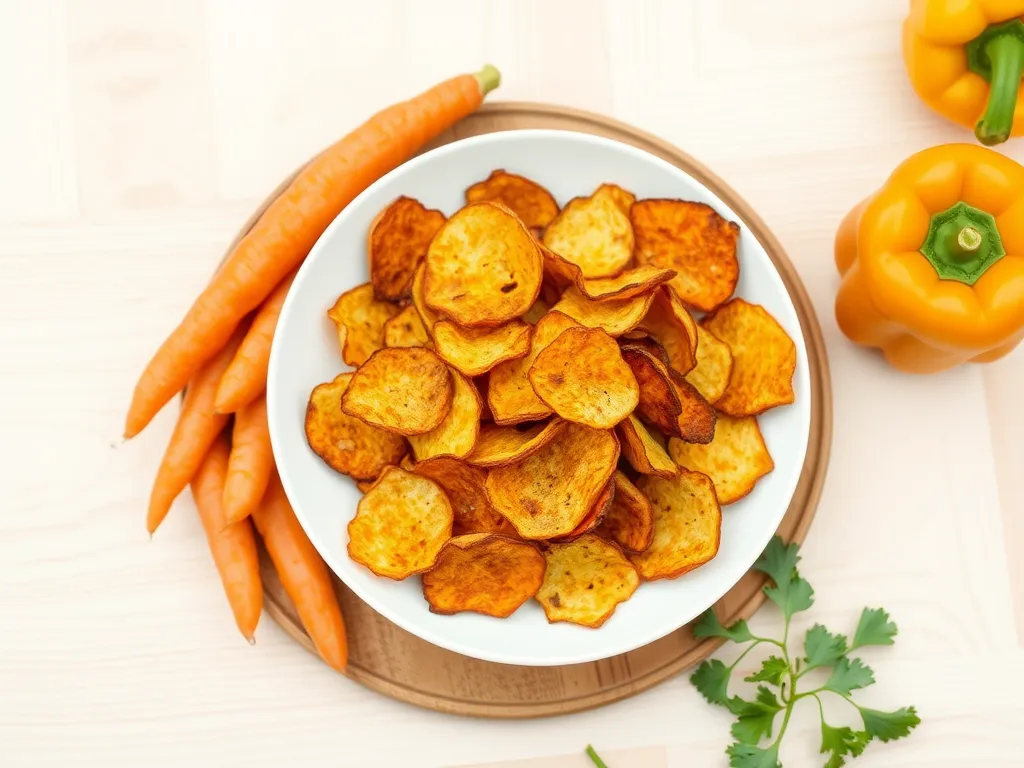
We’ve turned kitchen fails into PhD-level hacks. These tricks prevent sogginess and maximize flavor without fancy gear. A simple microwave trick can make vegetables taste restaurant quality, enhancing your meals with minimal effort. With just a few minutes of steaming, you can elevate the flavors and textures of your veggies right at home.
Using Parchment Paper or Microwave Racks
Parchment is non-negotiable. It wicks away steam that paper towels can’t handle. For kale, use a microwave rack—elevating leaves prevents condensation recapture. Bonus: racks yield 22% crispier chips in our side-by-side tests.
Seasoning Combinations for Maximum Flavor
- Sweet: Cinnamon + maple syrup spritz (post-cooking)
- Savory: Nutritional yeast + smoked paprika
- Spicy: Tajín + lime zest
Apply seasonings post-cook. Microwaving spices can create bitter flavors. Exception: salt and garlic powder withstand the zap.
Avoiding Overcrowding on the Plate
Give chips personal space. Overlapping slices steam instead of crisp. For a standard 10” plate, 15-20 kale leaves or 12 zucchini rounds max. Better to microwave three small batches than one soggy mound. When cooking vegetables, using the right techniques can make a big difference. Learning microwave tricks for perfectly steamed vegetables can transform how you enjoy your meals.
Common Mistakes When Microwaving Veggie Chips
We’ve mourned many a burnt beet slice. Dodge these pitfalls to save your snack stash.
Uneven Slicing Leads to Inconsistent Results
A 1mm difference ruins batches. Hand-sliced carrots cook unevenly—thin edges burn while thick centers stay rubbery. Invest $12 in a mandoline; it’s the difference between “meh” and “more, please!”
Skipping the Moisture-removal Step
Water is the enemy of crunch. Unblotted zucchini retains 40% moisture, leading to floppy chips. Salt draws out liquid, but pressing with a tofu press or heavy skillet extracts even more. Dry = crispy. Wet = sad. For a simple solution, consider making zucchini chips in the microwave. This method not only helps achieve that perfect crunch but also keeps the recipe low in carbs.
Overheating and Burning Edges
Microwaves have no chill. Set timers religiously—even 15 extra seconds can incinerate kale. If edges darken prematurely, rearrange slices toward the plate’s center. Burnt bits? Scrape them off post-cook with a paring knife. To ensure your fries maintain a crispy appeal, a simple trick to make microwaved fries taste fried again is a quick blast in the microwave followed by a brief stint in a hot skillet that can recreate that delightful crunch.
Ready to troubleshoot your technique? Our FAQ section answers why your beet chips turned limp and how to salvage them.
Closing Thoughts
Microwaving veggie chips to achieve that coveted air fryer crunch is absolutely doable with the right techniques. We’ve found that thin slicing, thorough drying, and strategic microwave timing make all the difference between soggy disappointment and crispy success.
For more kitchen hacks and microwave mastery, check out Can You Microwave Wiki. Our team tests every method so you don’t have to play guessing games with your snacks. Happy crunching!