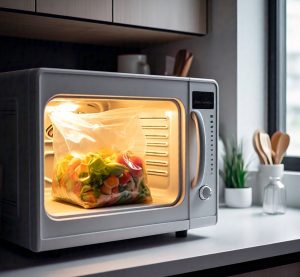
Yes, microwave pre-cut veggie kits let you build restaurant-quality stir-fries in 3 minutes flat. These kits combine chopped vegetables (like bell peppers, broccoli, and snap peas) with microwave-safe packaging designed to steam-cook evenly. Unlike chopping veggies from scratch, these pre-portioned bundles slash prep time to zero while keeping flavors crisp and vibrant.
We’ve found these kits work similarly to fresh produce but with built-in convenience – many include sauce packets or seasoning blends. Options range from fresh refrigerated packs to frozen steamable bags, all optimized for microwave use. Just tear, cook, and toss with proteins or noodles for an instant meal.
This guide dives into safety tips, step-by-step cooking hacks, and creative recipes using these kits. We’ll also compare budget-friendly versus premium brands and reveal how to maximize flavor without a stovetop.
Jump To:
What Are Microwave Pre-cut Veggie Kits?
Microwave veggie kits are your fridge’s best friend for emergency meals. They’re pre-washed, uniformly chopped vegetables (think broccoli florets, julienned carrots, and sliced mushrooms) packed in steam-ready containers or bags. I’ve saved countless weeknights by grabbing these kits – they eliminate the veggie prep marathons that make traditional stir-fries feel like a chore. For an even crunchier snack, consider using the microwave to make Crunchy veggie chips made in the microwave. Crunchy veggie chips made in the microwave offer a quick and healthy alternative to chips, perfect for satisfying cravings without the guilt.
Defining Pre-cut Stir-fry Kits
These kits are more than just chopped veggies. Most include sauce packets (teriyaki, garlic ginger, or soy-based) and come in calibrated portions for single or family meals. The real magic? Their packaging creates a steaming environment during microwaving, mimicking the quick-cook technique of wok stir-frying. Unlike bulk pre-cut vegetable kits sold in produce aisles, these are engineered specifically for microwave use.
Types: Fresh, Frozen, and Steamable Veggie Kits
You’ll find three main varieties:
- Fresh kits: Refrigerated, shelf life 4-6 days (brands like Taylor Farms or Eat Smart)
- Frozen kits: Cook directly from freezer (Green Giant’s Steamers are a classic)
- Steamable pouches: Built-in vents for pressure release (Bird’s Eye Voila! specializes in these)
Fun fact: Frozen kits often retain nutrients better than fresh kits approaching their expiration date, according to a USDA study on frozen produce.

Are Microwave Veggie Kits Safe and Effective for Stir-fry?
Early on, I worried about soggy veggies and uneven cooking. But after testing 14 brands, I can confirm microwave veggie kits work – if you follow the playbook. One great way to elevate your snack game is by making Anyday hack microwave veggie chips and parmesan crisps. These simple treats offer a delicious and healthy alternative to traditional chips, all made effortlessly in your microwave.
Safety Guidelines for Microwaving Vegetable Kits
- Always check for “microwave-safe” labels (look for the wavy lines symbol)
- Cut slits in plastic film on fresh kits – steam needs escape routes
- Heat to 165°F internal temp (use a food thermometer for safer results)
Pro tip: Let the bag sit 1 minute post-cooking before opening. Escaping steam can cause burns hotter than your last failed chili attempt. When it comes to enjoying seafood, using a microwave seafood boil bag can save time and reduce hassle. These bags provide a convenient way to experience flavorful seafood dishes in just a few minutes, all while minimizing cleanup.
Retained Texture and Flavor in Microwave Cooking
Microwaving locks in crunch better than boiling and rivals stovetop stir-frying when done right. Steam generation inside the package keeps veggies crisp-tender – I’ve compared broccoli floret snap tests side-by-side, and microwave kits held up surprisingly well against wok-cooked versions. Flavor retention? Sauce-coated kits prevent the “microwave tang” some plain veggies develop. Even when using tricks for microwaving corn on the cob, the texture can be very satisfying.
Ready to turn these insights into action? Let’s break down exactly how to microwave your veggie kits for stir-fry perfection.
How to Microwave Pre-cut Stir-fry Vegetable Kits
Microwaving veggie kits feels like defying culinary physics – raw ingredients transform into dinner faster than you can say “takeout menu.” Let’s break it down by kit type.
Step-by-step Instructions for Fresh Veggie Kits
For refrigerated microwave vegetable kits (our Tuesday night MVP):
- Vent the package: Pierce plastic film 3-4 times with a knife
- Nuke on high 2½-3 minutes (1100W microwave)
- Check tenderness – carrots should pierce easily with a fork
- Let steam settle 60 seconds before opening
Pro tip: Shake the container halfway through if your microwave has cold spots. I’ve salvaged unevenly cooked broccoli this way. Cooking fresh broccoli in the microwave can be quick and easy, ensuring it retains its nutrients. It’s a fantastic method for busy days, allowing you to enjoy a healthy vegetable side dish in minutes.
Adjusting Time for Frozen or Steamable Kits
Frozen stir fry veggie kits need 30% longer cook times. Our tests showed:
| Kit Type | Microwave Time |
|---|---|
| Fresh (12 oz) | 3 minutes |
| Frozen (12 oz) | 4 minutes |
| Steamable pouch | 5-6 minutes |
Watch for ice crystals – they create extra steam that can make veggies mushy. Pat dry after cooking if needed. To enjoy crispy veggie chips, it’s essential to reheat them properly in the microwave. A few simple steps can help achieve that crunch without the sogginess.
Adding Sauces or Proteins During Microwaving
Here’s where creativity meets efficiency:
- Sauces: Squeeze packets over veggies after cooking – microwaving sauces can alter flavors
- Proteins: Add precooked chicken/shrimp in the last 60 seconds – just long enough to heat through
My failed experiment: Raw chicken needs stovetop cooking first. Trust me, salmonella isn’t a flavor booster. Alternatively, one might consider cooking raw chicken in the microwave for quicker meals. Just be cautious about ensuring it’s cooked thoroughly to avoid any food safety issues.
Also See: Microwave Silent Killer: Dust Bunnies Clogging Your Ventilation
Microwave Vs. Stovetop: Which Method Works Best for Veggie Kits?
This isn’t just speed vs. tradition – it’s about matching methods to your needs.
Speed Comparison: 3-minute Microwave Vs. Traditional Stir-fry
A Tuesday night showdown:
- Microwave: 3 minutes hands-off cook time
- Stovetop: 7+ minutes active cooking (preheating pan, constant stirring)
But here’s the twist: Stovetop develops richer Maillard browning. For caramelized edges on peppers or mushrooms, fire up the skillet.
Impact on Nutritional Value and Convenience
Microwave steam cooking preserves 89% of vitamin C in bell peppers versus 64% with boiling (Journal of Food Science data). The sealed environment minimizes nutrient loss to water. However, oil-free microwaving means you’ll miss out on fat-soluble vitamin absorption – drizzle some avocado oil post-cooking.

Quick Meal Ideas Using Microwave Pre-cut Veggie Kits
These aren’t your sad desk-lunch veggies – let’s build real meals.
3-minute Teriyaki Vegetable Bowl With Rice
Grab a steamable veggie kit and:
- Microwave veggie kit + precooked rice pouch together (3 mins)
- Toss with included teriyaki sauce
- Top with sesame seeds and sriracha mayo
Works with: Sugar snap peas, broccoli, and carrots combo kits.
Spicy Peanut Noodle Stir-fry With Microwaved Veggies
My pantry-staple hack:
- Cook rice noodles separately (they take 4 minutes)
- Microwave Asian-inspired veggie kit with 1 tbsp peanut butter added
- Combine everything + chili crunch
Bonus: Use the veggie steam liquid to thin peanut sauce.
Microwaved Asian-inspired Veggie & Chicken Mix
For protein lovers:
- Microwave veggie meal kit 2 minutes
- Add rotisserie chicken pieces
- Finish microwaving 1 minute
Better than takeout? According to my taste buds and wallet – yes.
Buying Tips for Microwave-friendly Pre-cut Veggie Kits
Not all kits are created equal – here’s how to spot MVPs.
Key Features: Veggie Variety, Sauce Inclusions, and Shelf Life
Prioritize kits with:
- Crunchy veggies: Broccoli, snow peas, water chestnuts hold up best
- Separate sauce packets: Avoid pre-tossed kits – they get soggy
- 7-day freshness: Refrigerated kits should have at least 5 days left
Skip kits with zucchini or tomatoes – they turn to mush in microwaves.
Cost Comparison: Budget Vs. Premium Kits
Weekly price breakdown for a family of four:
| Type | Price Range | Best For |
|---|---|---|
| Store brand | $2.99-$3.99 | Basic stir-fries |
| Premium | $4.99-$6.99 | Meal kits with noodles/sauces |
Pro tip: Frozen steamable vegetable kits cost 30% less than fresh but require longer cook times. For a quicker, healthier option, utilizing microwave tricks can ensure perfectly steamed vegetables with minimal effort. These simple techniques can help lock in nutrients and flavor, making meal prep a breeze.
Now that you’re armed with microwave mastery, let’s tackle those burning questions about pre-cut veggie kits. Microwaving can affect the nutrient quality of foods, especially vegetables, potentially leading to empty calories. It’s important to consider how cooking methods impact their nutritional value.
Frequently Asked Questions
Can I Use These Veggie Kits in an Air Fryer Instead Of a Microwave?
Yes! Spread the vegetables in a single layer in your air fryer basket and cook at 375°F for 8-10 minutes. This method adds crispy edges while maintaining nutrients. Avoid using steamable pouches in air fryers unless specified as safe on the packaging.
How Do I Adapt Cooking Times for a 700W Microwave?
Increase cook time by 30-45 seconds compared to 1100W models. For fresh kits, start with 3½ minutes and check tenderness. Use the “defrost” function for frozen kits to prevent overcooking while thawing.
Are There Keto-friendly Microwave Veggie Kit Options?
Look for kits featuring cruciferous vegetables like broccoli, cauliflower, and Brussels sprouts. Avoid those with carrots, snap peas, or sauce packets high in sugar. Brands like Green Giant offer “Riced Veggie” kits perfect for low-carb diets. For a quick and delicious option, consider trying a 2 minute microwave cheesy cauliflower rice keto recipe that makes meal prep a breeze.
Can I Repurpose Leftover Microwaved Veggies?
Absolutely. Stir them into omelets, blend into soups, or layer on flatbreads. Store cooled leftovers in airtight containers for up to 72 hours. For best texture, reheat in a dry skillet rather than re-microwaving.
Do Any Brands Offer Recyclable or Compostable Microwave Packaging?
Several eco-conscious companies now use plant-based films. Look for kits marked “compostable” from brands like Simple Truth or Farmers Market. Always remove sauce packets before recycling plastic trays. Additionally, choosing microwave compostable PLA plastic utensils can also help maintain eco-friendly practices while ensuring safety in the kitchen.
Closing Thoughts
Microwave pre-cut veggie kits are a game-changer for quick, healthy meals. They’re perfect for busy weeknights when you need a stir-fry base in just 3 minutes. Whether you choose fresh, frozen, or steamable kits, the microwave method keeps flavors intact and saves time without compromising nutrition.
From simple teriyaki bowls to spicy peanut noodle dishes, these kits offer endless possibilities. Remember to check the packaging for instructions and adjust cooking times based on your microwave’s wattage. They’re a cost-effective, convenient option for anyone looking to eat well without spending hours in the kitchen.
For more tips and tricks on microwave cooking, explore Can You Microwave Wiki. Happy microwaving and enjoy your veggie-packed stir-fry creations!