Craving a warm, filling meal but stuck with a tight budget and even tighter schedule? We’ve got your back.
This 5-minute canned soup hack costs under $2 and transforms pantry staples into something legitimately delicious. Yes, you read that right—no stove required, just a microwave and a craving for comfort.
We’ll walk you through choosing the right canned soup, mastering instant buckwheat texture, and avoiding microwave mishaps (because nobody likes cleaning exploded soup).

Jump To:
Quick Microwave Canned Soup with Instant Buckwheat
Course: Main CourseCuisine: Various2
5
minutes5
minutes250
kcal10
minutesThis microwave recipe is perfect for when you're short on time and money. By using canned soup and instant buckwheat, you can create a delicious and filling meal in just a few minutes. It's a great way to enjoy a warm dish without much hassle.
Ingredients
of your favorite canned soup 15 oz each
instant buckwheat
water
salt and pepper to taste
fresh herbs . optional for garnish
Directions
- In a microwave-safe bowl, combine the instant buckwheat and water, stir well, then cover with a microwave-safe lid or plastic wrap.
- Microwave on high for 2-3 minutes until the water is absorbed, fluff with a fork after cooking.
- In another microwave-safe bowl, pour in the canned soup and heat in the microwave for 2-3 minutes until heated through, stirring halfway for even heating.
- Once both the soup and buckwheat are ready, combine them in a larger bowl, mix well, then season with salt and pepper to taste.
- Serve hot, garnished with fresh herbs if desired..
Notes
- Feel free to mix and match your favorite canned soups to create different flavors. This recipe is incredibly adaptable and can be made with any type of soup you enjoy. For added nutrition, consider adding some frozen or fresh vegetables to the soup before heating.
What is Instant Buckwheat?
Instant buckwheat is pre-cooked, dehydrated groats that cook in minutes. Unlike raw buckwheat (which needs 15+ minutes simmering), this shortcut version hydrates fast when heated with liquid. Think of it as the emergency responder of whole grains—ready to save your meal when time’s tight.
Nutritionally, it’s a powerhouse: gluten-free, rich in fiber, and packed with plant-based protein. My uncle Peter swears by its versatility. At a chaotic family reunion last summer, he whipped up three different dishes using instant buckwheat—including a shockingly good dessert. But that’s a story for another day.
Can You Microwave Canned Soup With Instant Buckwheat?
Absolutely. Microwaving blends these ingredients seamlessly if you respect two rules: use microwave-safe containers and layer cooking times properly. The key is hydrating the buckwheat first so it doesn’t turn your soup into a gravel-textured science experiment.
Why This Microwave Combo Works
Canned soup’s salty, seasoned broth perfectly seasons the buckwheat as it plumps up. Imagine chicken noodle soup’s savory depth infusing each grain—it’s flavor synergy without extra spices. John, my eternally skeptical husband, once called this “college dorm food.” Then he tried it. Now he packs instant buckwheat in his work bag.
The microwave’s rapid heating also prevents buckwheat from becoming mushy. Unlike stovetop simmering (which can overcook it), 2-3 minutes at 1000W gives a pleasantly chewy bite. Pro tip: brothy soups like vegetable or tomato work best. Save the chunky stews for mixing after cooking. Additionally, using the microwave for cooking corn on the cob can be a game changer. It’s a simple trick that allows you to enjoy perfectly steamed corn in just a few minutes.
Advantages Of Microwaving This Meal
Speed: From cabinet to bowl in under 5 minutes. Ideal for lunch breaks or “I forgot to meal prep” panic moments. Cost: At $0.75 per serving average, it’s cheaper than gas-station coffee. Cleanup: One mug. No pots. Need we say more? It’s even more convenient than a cheap microwave rice and beans bowl.
Microwaving also preserves nutrients better than prolonged boiling. A 2020 Journal of Food Science study found quick-heat methods retain 15% more B vitamins in grains. Plus, you’ll use 80% less energy versus stove cooking—eco-friendly and budget-smart. This is especially beneficial when cooking microwaved canned soups with instant buckwheat, as it helps maintain the nutritional content of the meal.
Ready to raid your pantry? Let’s break down exactly what you’ll need to make this humble hero meal.
Ingredients for Microwave Canned Soup With Buckwheat
Grab these staples from your pantry or local dollar store:
- 1 can (10.5 oz) condensed soup (chicken noodle, tomato, or vegetable work best)
- ½ cup instant buckwheat (look for pre-steamed packages)
- 1 cup water (split between buckwheat and soup)
- Microwave-safe bowl (at least 4-cup capacity)
Canned Soup Alternatives &Amp; Substitutes
No condensed soup? We’ve improvised too. Use these swaps:
| Swap For | Ratio | Notes |
|---|---|---|
| Bouillon cube + water | 1 cube + 1.25 cups water | Adds saltiness—taste before seasoning |
| Canned broth | 1.25 cups | Low-sodium versions let you control flavor |
| Leftover gravy | 1 cup gravy + ¼ cup water | Best with mushroom or chicken varieties |
Instant Buckwheat Alternatives
Out of buckwheat? Try these quick-cooking grains:
- Instant couscous (cooks in 1 minute—use ⅓ cup)
- Minute Rice (white or brown—½ cup)
- Quick oats (¼ cup—adds creaminess)
My college roommate once used crushed ramen noodles instead. We don’t recommend it unless you enjoy soggy crunch. When preparing ramen, using the microwave can lead to a perfectly cooked bowl. Just follow the instructions to cook ramen noodles in the microwave for a quick and tasty meal.
Also See: How to Microwave Cornbread Mix in 90 Seconds
How to Make Microwave Canned Soup With Buckwheat
We’ll build layers of flavor while avoiding microwave chaos. Follow these steps closely—we’ve burned enough soups to know better. Microwaves can actually enhance the flavors of many dishes. For instance, some foods taste significantly better when microwaved rather than baked, helping to retain moisture and texture.
Step 1: Prepare the Buckwheat
- Combine ½ cup instant buckwheat with ¾ cup water in your bowl
- Microwave uncovered for 2 minutes at 1000W
- Fluff with fork—should be al dente, not mushy
Pro tip: If grains feel dry, add 1 tbsp water and microwave 15 seconds more. My husband’s “cardboard phase” taught us hydration matters.
Step 2: Microwave the Soup
- Empty canned soup into separate microwave-safe mug
- Mix in ¼ cup water to thin consistency
- Heat 1.5 minutes at 1000W—stir halfway
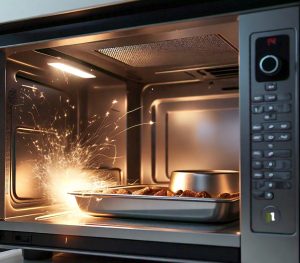
Watch for bubbling eruptions! A dinner plate under the mug catches rogue splatters.
Step 3: Combine &Amp; Adjust Consistency
- Pour heated soup over prepared buckwheat
- Stir gently—grains will absorb excess liquid
- Let sit 1 minute to thicken
Too thick? Add warm water 1 tbsp at a time. Too thin? Microwave 30 seconds more.
Step 4: Seasoning Tips for Enhanced Flavor
- Acidity: ½ tsp lemon juice brightens creamy soups
- Heat: Dash of cayenne or sriracha adds dimension
- Umami: Sprinkle nutritional yeast or soy sauce
My secret weapon? A pinch of MSG. It’s not the 1970s—science says it’s safe and glorious.
Also See: Microwave Banana Split Mug Dessert in Minutes!

What Does Canned Soup With Buckwheat Taste Like?
Imagine your childhood canned soup got a textural glow-up. The buckwheat adds nutty depth while keeping things hearty. For a modern twist, try combining it with lazy microwave canned chicken for an effortless meal. This pairing not only enhances flavors but also simplifies cooking, making it perfect for busy days.
Texture &Amp; Flavor Profile
Each spoonful balances soft soup pockets with chewy buckwheat kernels. Condensed soup’s saltiness mellows as grains absorb broth—like a deconstructed chicken pot pie filling. Vegetarian versions lean earthy, while tomato-based soups gain satisfying heft.
It’s the culinary equivalent of sweatpants: comforting, unpretentious, and secretly impressive. Now let’s tackle common pitfalls so your soup, whether it’s canned or homemade, never becomes a “sad desk lunch” story.
Common Mistakes & How to Fix Them
Even the simplest meals have quirks. Let’s dodge those “why is my buckwheat crunchy?” moments with pro-level troubleshooting.
Avoiding Overcooked Buckwheat
Timing is everything. Instant buckwheat needs just 2-3 minutes at 1000W. Exceeding this turns grains from tender to tacky. If your microwave runs hot, start with 90 seconds. Check every 15 seconds after—think of it as babysitting a very lazy pot.
Always use a 2:1.5 water-to-grain ratio. My cousin Emily once used equal parts and created buckwheat cement. We’re still finding chunks in her Tupperware.
Preventing Soup Splatter in the Microwave
Cover. Your. Soup. A microwave-safe plate or vented lid contains eruptions. For brothy soups, leave a 1-inch gap for steam escape. Cream-based? Full cover prevents dairy geysers. When reheating, it’s also important to preserve the crunchy toppings for the best taste. A simple trick is to place the lid askew to keep them airy while warming the soup.
Use a container twice the soup’s volume. That Progresso can needs space to bubble without painting your microwave’s ceiling. Trust us—scraping dried tomato off the turntable is nobody’s hobby. When preparing a microwave soup recipe, it’s important to follow similar guidelines to prevent any spills. A little extra space not only ensures a tidy microwave but also allows for even heating of your delicious soup.
Mastered these fixes? Your next challenge: keeping leftovers as satisfying as day one. (Spoiler: It’s easier than convincing teens to do dishes.) With the right techniques, you can elevate those leftovers to gourmet meals using your microwave.
Now It’s Your Turn!
Microwaving canned soup with instant buckwheat is a ridiculously easy way to whip up a hearty meal in minutes. Whether you’re craving creamy tomato with chewy buckwheat or a light broth with extra veggies, this combo adapts to your mood.
Give it a shot—tweak the seasoning, experiment with toppings, and make it your own. Just don’t blame us when this becomes your go-to lazy-day lunch!