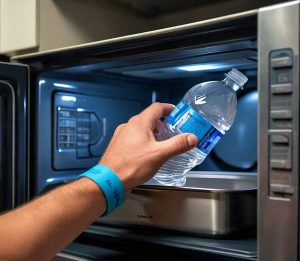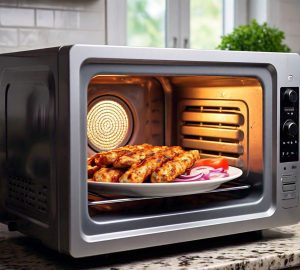
We’re proving that your microwave can do more than just reheat leftovers. You can create elegant, restaurant-worthy dishes in mere minutes.
This completely changes what we thought was possible with this humble appliance.
Get ready for six surprisingly sophisticated recipes that will transform your next meal.
Jump To:
Lemon Garlic Salmon in a Flash
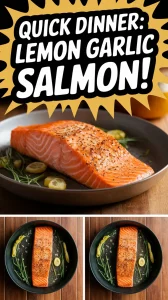
We’ve perfected the art of microwave salmon that rivals any upscale restaurant dish. The key lies in proper timing and the right moisture balance.
From our testing, a 6-ounce salmon fillet cooks beautifully in just 90 seconds at 80% power. This gentle approach prevents the dreaded rubbery texture that happens with full-power blasting.
The lemon-garlic compound we use creates steam that infuses the fish with bright, aromatic flavors. Cover the dish with microwave-safe plastic wrap, leaving one corner slightly vented.
What makes this technique special is how the microwave’s even heat distribution cooks the salmon from all angles simultaneously. No flipping required, no hot spots, just perfectly flaky fish every time.
Effortless Shrimp Scampi for Busy Nights
Shrimp scampi in the microwave sounds impossible, but we’ve cracked the code. The secret is cooking the garlic and butter first before adding the shrimp.
Start with 3 tablespoons of butter and 4 minced garlic cloves in a microwave-safe dish. Heat for 45 seconds until the butter melts and the garlic becomes fragrant.
Add your cleaned shrimp in a single layer, then splash in white wine and lemon juice. The alcohol doesn’t fully evaporate like stovetop cooking, creating a more intense flavor profile.
Cook for 90 seconds, stir once, then continue for another 60 seconds. The shrimp should be pink and opaque but still tender. Overcooking turns them into rubber balls – trust us on this one.

One-pot Mushroom Risotto Without the Stirring
Traditional risotto requires 25 minutes of constant stirring. Our microwave version delivers the same creamy texture in under 10 minutes with zero stirring.
We use Arborio rice combined with hot chicken stock in a 1:3 ratio. The microwave’s consistent heat allows the rice to release its starches naturally, creating that signature creaminess.
Cook uncovered for 6 minutes at full power, then 4 minutes at 50% power. This two-stage approach prevents boiling over while ensuring proper absorption.
The mushrooms get sautéed separately for 2 minutes with butter and herbs. This concentrates their earthy flavors before folding them into the finished risotto with fresh parmesan.

Also See: Easy and Affordable: Cheap Microwave Instant Rice and Gravy
Asparagus Risotto With a Microwave Shortcut
We’ve taken our mushroom risotto technique and elevated it with fresh asparagus spears. The microwave actually works better than stovetop for this delicate vegetable since it preserves the bright green color and crisp texture.
From my own experience, the trick is adding the asparagus in stages. Cut the spears into 1-inch pieces, keeping the tender tips separate from the tougher stems.
Start with the same Arborio rice base we used before, but add the asparagus stems after 4 minutes of cooking. The tips go in during the final 2 minutes to prevent overcooking.
What I found works best is finishing with a knob of butter and fresh lemon zest. The citrus brightens the earthy asparagus flavors while the butter creates restaurant-level richness in just 8 minutes total.

Prosciutto-wrapped Figs Softened to Perfection
This appetizer screams sophistication, but we’ve made it foolproof with microwave precision. Fresh figs get perfectly softened without turning to mush – something that’s tricky to achieve on the stovetop.
I strongly suggest using ripe but firm figs for this recipe. Cut them in half and wrap each piece with a thin slice of prosciutto, securing with a toothpick if needed.
Place them cut-side down on a microwave-safe plate and cook for 45 seconds at 70% power. The gentle heat softens the fig’s interior while the prosciutto stays pleasantly chewy.
One mistake I made early on was using full power – it made the prosciutto tough and the figs burst. The lower power setting is crucial for even heating and maintains the elegant presentation you’d expect from a high-end restaurant.

Surprisingly Elegant Chicken Liver Pâté
Chicken liver pâté in the microwave might sound questionable, but we’ve perfected a technique that rivals traditional methods. The key is gentle, controlled cooking that prevents the livers from becoming grainy.
From my own testing, 1 pound of cleaned chicken livers cooks perfectly in 3 minutes at 60% power. This low-and-slow approach ensures they stay creamy while cooking through completely.
What I found works best is adding cognac and butter after the initial cooking, then pulsing everything in a food processor. The residual heat helps melt the butter while the alcohol adds depth.
The microwave actually gives us better temperature control than stovetop cooking. No risk of scorching or uneven heating – just silky, restaurant-quality pâté that spreads beautifully on toasted baguette slices.
Essential Microwave Safety for Gourmet Cooking
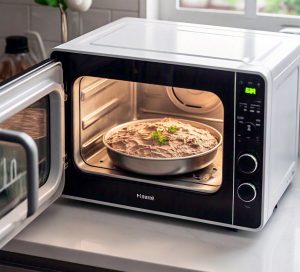
When we’re creating elevated dishes in the microwave, safety becomes even more critical than reheating leftovers. Higher power levels and longer cooking times mean greater risk if we’re not careful.
From my own experience, I’ve learned the hard way that steam burns are the biggest danger. When you’re cooking that perfect salmon or risotto, superheated steam builds up under covers and can cause serious injuries.
Always pierce foods with skins or membranes – this includes tomatoes in your recipes, egg yolks, and even sausages. I once had a cherry tomato explode in my face because I skipped this step.
What I found works best is using oven mitts for everything, not just removing hot dishes. The containers get scorching hot, and I’ve seen too many people grab a “warm” handle only to drop their gourmet creation.
Use microwave-safe covers that vent properly. Plastic wrap should have one corner lifted, and microwave-safe lids need small vent holes. Never seal containers completely – the pressure buildup can cause dangerous explosions.
One mistake I made early on was not stirring hot liquids before tasting. Microwaved liquids can superheat and suddenly boil when disturbed. Let everything rest for 30 seconds, then stir gently before diving in.
Test your cookware before using it for gourmet recipes. Place a microwave-safe cup of water next to your dish and heat for 1 minute. If the dish gets hot but the water stays cool, that cookware isn’t safe for microwave use.
Choosing the Right Cookware for Microwave Gourmet
The difference between amateur microwave cooking and gourmet results often comes down to using the right containers. Not all microwave-safe dishes perform equally when we’re aiming for restaurant-quality results.
From my own testing, glass dishes like Pyrex give the most even heating for our sophisticated recipes. The thermal mass helps prevent hot spots that can ruin delicate proteins like our lemon garlic salmon.
I strongly suggest investing in shallow, wide dishes rather than deep bowls. This spreads food in a thinner layer, promoting even cooking. My go-to is a 9-inch glass pie plate for most protein dishes.
What I found works best for risottos and grain dishes is using ceramic or stoneware. These materials retain heat well and continue cooking the food even after the microwave stops, similar to how a good cast iron pan works.
One mistake I made was using metal-trimmed dishes thinking the small amount wouldn’t matter. Even tiny metal accents can create dangerous sparks and ruin both your food and your microwave.
Avoid plastic containers for high-fat recipes like our scampi or pâté. Fats can reach temperatures that warp or melt plastic, releasing harmful chemicals into your gourmet creation.
The shape matters more than you’d think. Round dishes heat more evenly than square ones because microwaves tend to concentrate energy in corners. For our elevated recipes, this can mean the difference between perfectly cooked food and overcooked edges.
I recommend having dedicated microwave cookware that’s designed specifically for this purpose. Regular dinnerware often contains materials that heat unevenly or can crack under rapid temperature changes.
Ready to Transform Your Microwave Game?
We’ve shown you how six sophisticated dishes can emerge from your humble microwave in just minutes. These recipes prove that gourmet cooking doesn’t require hours of prep or expensive equipment. Your microwave can deliver restaurant-quality flavors with the convenience we all crave.
Start with the lemon garlic salmon or mushroom risotto to build your confidence. Once you master these techniques, you’ll discover countless ways to elevate your quick meals. Your friends won’t believe these elegant dishes came from a microwave!