
Microwaving dairy and eggs seems simple, but it can quickly go wrong without the right tricks.
We’ll answer your top questions to help you avoid rubbery eggs or curdled milk every time.
Our guide covers everything from warming milk gently to preventing messy egg explosions.
Jump To:
The Ultimate Guide to Microwaving Milk Without Curdling
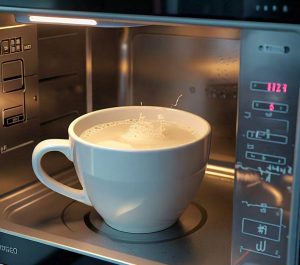
From our experience, microwaving milk is surprisingly tricky. We’ve all been there – you heat milk for coffee or hot chocolate and end up with chunky, curdled mess floating in your mug.
The secret we’ve discovered is all about gentle, controlled heating. Never use full power when microwaving milk. We always start at 50% power for 30-second intervals.
What works best for us is using a microwave-safe glass measuring cup rather than a regular mug. Glass heats more evenly and you can see exactly what’s happening to your milk.
One mistake we made early on was heating milk straight from the fridge at high power. This temperature shock causes proteins to coagulate instantly. Now we let milk sit at room temperature for 5 minutes before microwaving.
Stirring between intervals is absolutely crucial. We give the milk a gentle swirl every 30 seconds to distribute heat evenly. This prevents hot spots that cause curdling.
For larger quantities (more than 1 cup), we reduce power to 30% and extend heating time. Patience pays off with smooth, perfectly warmed milk every time.
Unscrambling the Truth: Microwaving Eggs Safely
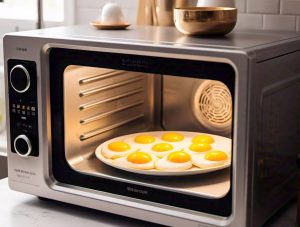
Microwaving eggs safely requires understanding why they explode in the first place. We learned this the hard way after cleaning egg splatter from our microwave ceiling multiple times.
Always pierce egg yolks before microwaving – this is non-negotiable. We use a toothpick to make 2-3 small holes in each yolk. This prevents pressure buildup that causes explosive results.
What we’ve found works best is cooking eggs at 70% power rather than full blast. This gentler approach gives more control over the cooking process and reduces the risk of rubbery textures.
For scrambled eggs, we beat them thoroughly with a splash of milk or cream before microwaving. This creates a buffer that helps prevent overcooking and adds creaminess.
Our go-to timing is 45 seconds for one egg, then 15-second intervals while stirring between each round. Eggs continue cooking from residual heat, so slightly underdone is better than overcooked.
We strongly suggest using a microwave-safe bowl with high sides. Eggs can bubble up significantly during cooking, and you’ll want that extra space to contain any overflow.
Mastering the Art Of Microwaving Cream Cheese
Softening cream cheese in the microwave is a game-changer for our baking projects. We’ve experimented extensively to find the perfect technique that gives us spreadable cream cheese without creating a melted mess.
The key we discovered is removing the foil wrapper completely and cutting the cream cheese into smaller cubes. This allows for more even heating and prevents those stubborn cold spots in the center.
Our tried-and-true method uses 15-second intervals at 30% power. After each interval, we gently press the cream cheese with the back of a spoon to check softness. This prevents overheating that turns cream cheese into liquid.
What works exceptionally well for us is placing the cream cheese on a microwave-safe plate rather than leaving it in its original packaging shape. Flattening it slightly increases surface area for more uniform heating.
One mistake we made initially was trying to speed up the process with higher power settings. This created an outer layer that was almost melted while the inside remained rock-hard.
For recipes requiring room temperature cream cheese, we’ve found this microwave method is far superior to waiting hours for natural softening. It takes just 1-2 minutes total and gives us perfect consistency for cheesecakes and frosting.
Also See: Easy Camping S’mores Dip: A Gooey Microwave Delight!
How to Gently Warm Yogurt in the Microwave
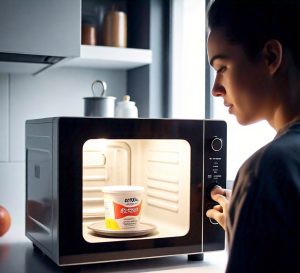
We’ve discovered that warming yogurt in the microwave requires a delicate touch to preserve its creamy texture and beneficial probiotics. The biggest mistake we made early on was blasting it at full power, which separated the whey and created an unappetizing watery mess.
Our foolproof method starts with removing yogurt from the refrigerator 10 minutes before heating. This prevents the temperature shock that causes separation. We always use 30% power in 15-second intervals to maintain control over the warming process.
What works exceptionally well for us is stirring gently between each interval. This distributes heat evenly and prevents those scorching hot spots that can kill beneficial bacteria and create lumpy texture.
For Greek yogurt specifically, we add a teaspoon of milk before warming. This extra moisture helps maintain the smooth consistency we’re after, especially with thicker varieties that tend to become paste-like when heated.
One trick we learned from experience is to never heat yogurt above lukewarm temperature. Anything hotter than body temperature will compromise the live cultures that make yogurt so beneficial for digestive health.
We strongly suggest using a wide, shallow bowl rather than a deep container. This allows for more surface area and more even heating, reducing the risk of creating those dreaded hot and cold spots.
Preventing Microwave Egg Explosions: A How-to Guide
From our extensive testing, we can tell you that preventing egg explosions comes down to understanding pressure buildup inside intact yolks and whites. We learned this after scraping egg debris from every surface of our microwave more times than we’d like to admit.
The most critical step we follow is piercing the yolk membrane multiple times with a toothpick before any microwave cooking. We make 4-5 small holes around the yolk to create escape routes for steam pressure.
What we discovered works best for whole eggs is placing them in a microwave-safe bowl with about 1/2 inch of water. This creates a gentler cooking environment and reduces the likelihood of explosive results.
For scrambled eggs, we beat them thoroughly with a fork, adding a tablespoon of milk per egg. This breaks up protein structures that can trap steam and cause violent eruptions during cooking.
Our power setting rule is simple: never exceed 70% power when cooking eggs. We typically use 50% power for more delicate preparations like poached eggs, and 70% for heartier scrambled egg dishes.
One mistake we made repeatedly was cooking eggs for too long in single intervals. Now we use 30-second bursts, stirring or checking between each round. Eggs continue cooking from residual heat, so stopping slightly early prevents overcooking and reduces explosion risk.

Tips for Perfect Texture in Microwave Dairy Recipes
Getting perfect texture in microwave dairy recipes requires understanding how different dairy products respond to microwave energy. We’ve spent countless hours perfecting these techniques through trial and error.
Temperature consistency is everything when working with dairy. We always use medium power settings (50-70%) rather than full blast to prevent protein coagulation and fat separation that ruins texture.
What we’ve found works exceptionally well is the “resting method” for thick dairy products. After each heating interval, we let the dairy sit for 30 seconds before stirring. This allows heat to distribute naturally without aggressive mixing that can break emulsions.
For cream-based sauces, we add dairy products gradually to hot bases rather than heating them directly. This prevents the grainy texture that occurs when milk proteins denature too quickly under microwave heat.
Our secret for maintaining smooth textures is adding a small amount of cornstarch or flour to dairy before heating. Just 1/4 teaspoon per cup helps stabilize proteins and prevents separation during cooking.
One technique that transformed our results is using a microwave-safe whisk between heating intervals. Gentle whisking incorporates air and prevents the dense, heavy textures that can develop when dairy overheats.
We strongly recommend investing in a microwave-safe glass measuring cup with a pour spout for dairy work. The visibility lets you monitor texture changes in real-time, and the spout prevents messy transfers that can cool your perfectly heated dairy.
Quick and Easy Microwave Recipes Using Dairy and Eggs
From our years of microwave experimentation, we’ve perfected several go-to recipes that showcase how versatile dairy and eggs can be when heated properly. These recipes became our weekday salvation when we needed something quick but satisfying.
What we love most about these microwave recipes is their forgiving nature. Once you master the basic techniques we’ve covered, these dishes practically make themselves.
Our collection focuses on single-serving portions that cook in under 3 minutes. Perfect for busy mornings or late-night cravings when you don’t want to dirty multiple pans.
2-minute Creamy Scrambled Eggs
This became our morning routine after we perfected the technique. We beat 2 eggs with 2 tablespoons of milk and a pinch of salt in a microwave-safe bowl.
Cook at 70% power for 45 seconds, stir, then continue in 15-second intervals until just set. The key we discovered is stopping while they still look slightly underdone – residual heat finishes the cooking.
What makes this recipe special is adding a tablespoon of cream cheese during the final stir. This creates restaurant-quality richness that impressed our breakfast guests.
Microwave Cheese Sauce in 90 Seconds
We start with 1/4 cup milk heated at 50% power for 30 seconds. Then we whisk in 1/2 cup shredded cheese gradually, heating in 15-second bursts while stirring constantly.
One mistake we made initially was adding all the cheese at once, which created lumpy disasters. The gradual addition method gives us silky smooth sauce every time.
This sauce transforms everything from steamed vegetables to pasta. We keep pre-shredded cheese on hand specifically for this quick fix.
Single-serve Yogurt Parfait Warmer
For cozy mornings, we gently warm 1/2 cup plain Greek yogurt at 30% power for 15 seconds. This takes the chill off without compromising the probiotics.
What works beautifully is layering the warmed yogurt with microwaved frozen berries (30 seconds at full power) and granola. The contrast of temperatures creates an incredibly satisfying breakfast.
We learned to stir honey into the yogurt before warming – this prevents the honey from crystallizing and creates better flavor distribution.
Instant Hollandaise for One
This recipe saved our brunch game. We whisk 1 egg yolk with 1 tablespoon lemon juice and a pinch of cayenne in a small microwave-safe bowl.
The technique we perfected involves heating 2 tablespoons butter separately for 20 seconds, then slowly whisking it into the yolk mixture. We heat the combined mixture at 30% power in 10-second intervals, whisking frantically between each burst.
Never exceed 10-second intervals with this sauce – we learned this after creating several batches of lemony scrambled eggs instead of smooth hollandaise.
Quick Quiche Cup
Our personal favorite uses 2 beaten eggs mixed with 1/4 cup milk, salt, pepper, and whatever leftover vegetables we have on hand. We cook this in a large microwave-safe mug at 60% power.
What makes this work is starting with 1 minute, then stirring and continuing in 30-second intervals. The eggs puff beautifully and create a satisfying meal that feels much more elaborate than its 3-minute prep time suggests.
We always top with a sprinkle of cheese during the last 30 seconds of cooking. Watching it melt creates the perfect finishing touch to this simple but elegant dish.
Ready to Master Your Microwave Skills?
Now that we’ve covered the essential techniques for microwaving dairy and eggs safely, it’s time to put this knowledge into practice. Start with simple recipes like warming milk for your morning coffee or softening cream cheese for a quick dip. These foundational skills will transform your microwave from a basic reheating tool into a versatile cooking companion.
We encourage you to experiment with different power levels and timing combinations to find what works best in your specific microwave. Remember to always use microwave-safe containers and keep those stirring intervals consistent. With a little practice, you’ll be creating perfectly textured dairy dishes and fluffy scrambled eggs in no time.