Yes, you can microwave arrowroot powder to thicken sauces, soups, and gravies—but it’s not as simple as just tossing it into the microwave solo. This gluten-free, grain-free starch needs a little prep work to shine. Unlike cornstarch, arrowroot thickens at lower temperatures and stays glossy, making it ideal for delicate recipes.
To avoid clumpy disasters, mix arrowroot with cold water first to create a slurry before microwaving. Direct heat breaks down its thickening power, so gentle microwave bursts and frequent stirring are key. We’ve tested this with custards and stir-fry sauces—patience prevents a gloopy mess!
This guide covers slurry ratios, microwave timings for soups vs. desserts, and fixes for common fails (like sauces that turn slimy). You’ll also learn how arrowroot stacks up against cornstarch or tapioca in the microwave. Let’s get that silky texture right!
Jump To:
Can You Microwave Arrowroot Powder for Thickening?
Arrowroot powder can absolutely be microwaved for thickening, but its unique starch structure demands careful handling. Unlike cornstarch (which needs boiling to activate), arrowroot thickens at 150-160°F (65-71°C). This lower gelatinization temp makes microwaving tricky but manageable once you master the technique.
Understanding Arrowroot’s Microwaving Potential
When working with arrowroot powder in the microwave, timing and temperature control are non-negotiable. We’ve found that microwaving at 50% power prevents overheating, which breaks down arrowroot’s thickening power. Overheating turns glossy sauces into watery disappointments—a lesson learned after reviving a pineapple glaze three times! Microwaving can affect more than just sauces; it alters the properties of various ingredients, including milk. This change can transform the texture and flavor of your dishes, making the science behind microwaving milk particularly fascinating.
Arrowroot’s lack of gluten gives sauces a silky finish, but it clumps fiercely if not properly prepped. Always create a 1:2 cold water slurry (1 tbsp powder + 2 tbsp water) first—skip this step, and you’ll wrestle with translucent lumps like tapioca pearls gone rogue. Avoid acidic liquids like tomato sauce unless you’re microwaving in short bursts; prolonged heat weakens its bond.
Pro tip: Microwave your sauce base first (broth, juice, or milk), then stir in the slurry. For dairy-based recipes, add arrowroot post-heating to avoid curdling. Gentle microwaving preserves its magic!
Ready to tackle the hands-on steps? Let’s break down the process to avoid glue-like disasters.
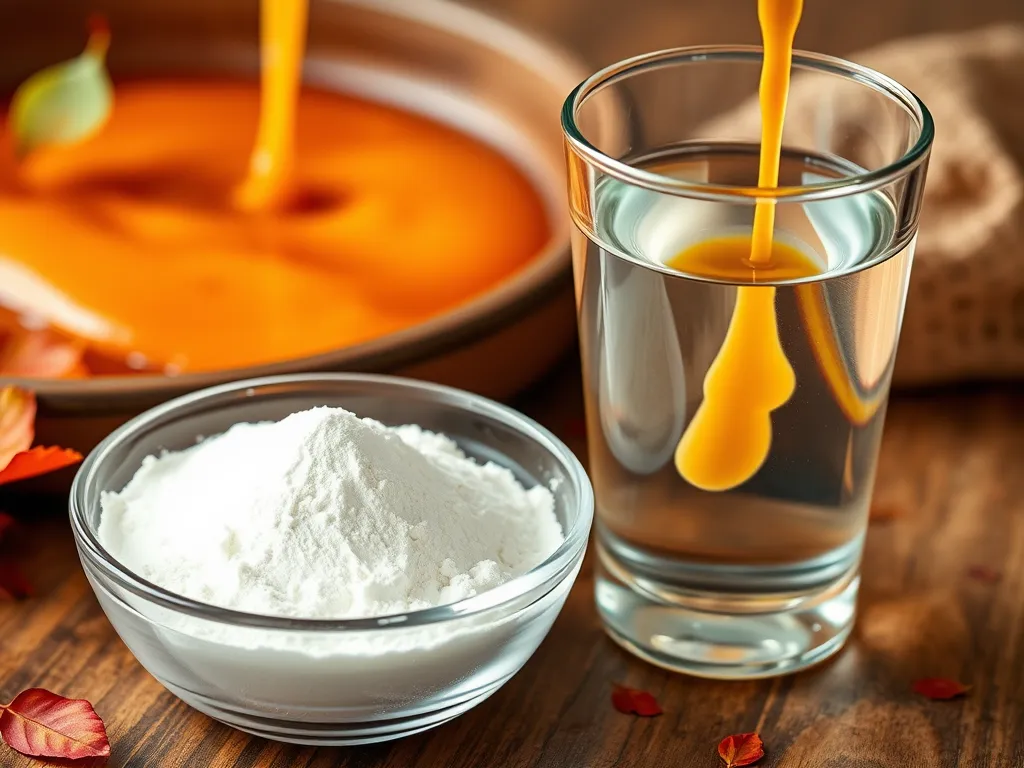
Step-by-step Guide to Microwaving Arrowroot for Thickening
Perfecting microwave arrowroot thickening requires precise steps. We’ll walk through creating a smooth slurry, proper heating techniques, and post-microwave tweaks.
Preparing an Arrowroot Slurry
Start with a 1:2 ratio—1 tablespoon arrowroot powder to 2 tablespoons cold water. Whisk until completely smooth. Room-temperature liquids cause instant clumping, so we always keep the water chilly. For fruit sauces, swap water for juice to boost flavor without grittiness.
Mixing and Microwaving Techniques
Microwave your liquid base first (soup, gravy) for 1-2 minutes until hot but not boiling. Stir the arrowroot slurry again, then pour into the hot liquid while whisking. Heating ingredients in the microwave can also be a great method for preparing a quick soup. Whether it’s a hearty vegetable mix or a simple broth, you can create a delicious microwave soup recipe in no time.
Adjusting Consistency Post-heating
If too thin after microwaving, create more slurry and repeat the process. For mixtures that over-thicken, stir in 1 teaspoon of warm liquid at a time. Remember: arrowroot sets as it cools, so let it rest before adding more. Our blueberry compote taught us patience—rushed adjustments lead to rubbery textures! When working with fruits like blueberries and strawberries, microwaving can help release their natural juices, enhancing flavor and texture. A quick microwave can turn fresh berries into a delightful compote, perfect for toppings or desserts.
Now that you’re stocked on technique, let’s decode how much arrowroot your recipes actually need.
How Much Arrowroot Powder is Needed for Different Dishes?
Arrowroot quantities vary based on recipe type and desired texture. Through countless microwave tests, we’ve dialed in these benchmarks for common dishes.
Thickening Soups With Arrowroot Powder
Use 1 teaspoon arrowroot per 1 cup broth or milk-based soup. Add 25% more for creamy bisques. Stir slurry into simmering (not boiling) liquid to activate properly without breakdown.
Thickening Stews With Arrowroot Powder
Hearty beef or veggie stews need 1.5 teaspoons per cup of cooking liquid. Microwave in 2-minute intervals to keep meats tender, especially when cooking ground beef in the microwave. For gluten-free beef bourguignon, this ratio shines with red wine reductions!
Thickening Fruit Sauces With Arrowroot Powder
Sweet sauces (blueberry coulis) gel best with 2 teaspoons per cup of fruit puree. Since acids weaken arrowroot’s power, add slurry in the last 60 seconds. Meringue pie fillings thank us later. For those looking to create quick and tasty desserts, microwave chia pudding is a fantastic option that avoids the mess of exploding seeds. With the right method, it’s easy to enjoy this healthy treat without any hassle.
Dosage sorted? Let’s crack the code on slurry ratios for custom textures.
Also See: Can I Microwave Aluminum? – Answered, How to, Facts, Tips, Precautions, Alternatives, FAQs & More
Arrowroot Slurry Ratios Explained
Master these ratios to control thickness levels like a pro. Whether you’re going for light glaze or clingy gravy, it starts with the mix. If you’re looking for a quick solution, consider how to make gravy in the microwave. Making gravy this way can save time without sacrificing flavor.
Standard Ratio for Liquids
1 tablespoon arrowroot + 2 tablespoons cold liquid = universal thickening power. Works for 3-4 cups of mild-heat dishes (custards). For acidic sauces like orange glaze, bump to 1.25 tablespoons starch—citrus battles thickening!
Adjusting Ratios for Thicker or Thinner Results
Tighter textures (pie fillings) shift to 1.5:2 arrowroot-to-liquid. Lighter consistencies (drizzles) use 1:3. When our raspberry coulis seized, adding ½ tablespoon water saved the day. Note: altering ratios requires retesting cook times. If experimenting with textures, consider how these principles apply to creating a delicious microwave pumpkin pie. The right ratios can make your pie filling perfectly creamy and delectable in no time.
Out of arrowroot? These microwave-friendly substitutes step in seamlessly.
Common Substitutes for Arrowroot Powder in Microwaving
When the arrowroot jar’s empty, these alternatives work with microwave magic—just mind their quirks. However, not all microwave-friendly options are created equal. For instance, microwaving popcorn bags raises hidden concerns, especially regarding the scary truth behind the butter flavoring that may be lurking inside.
Cornstarch As a Microwave-friendly Alternative
Use 1.5x more cornstarch than arrowroot (2 tsp/cup liquid). Stir into cold water slurry and microwave at full power—it needs boiling temps. Our lemon curd proved cornstarch’s power when we hit 212°F! When exploring recipes that utilize a microwave, don’t overlook the delightful options for making custard. A microwave custard recipe can be a quick and convenient way to enjoy this creamy dessert without the traditional stovetop method.
Tapioca Starch and Potato Starch Options
Tapioca swaps 1:1 with arrowroot but creates chew (ideal for pies). Potato starch thickens similarly at 1:1 but hates long cook times. For dairy-free Alfredo, we chose potato starch—graininess be gone!
Even with perfect substitutes, microwave mishaps happen. Let’s tackle them head-on.
Troubleshooting Arrowroot Thickening in the Microwave
Even seasoned cooks face clumps or weak gels when microwaving arrowroot. Here’s how we’ve conquered these snags in our test kitchen. When it comes to delicate ingredients like truffles, maintaining aroma can be a challenge in the microwave. Proper techniques can help preserve their rich scent while heating.
Avoiding Lumps and Overheating
Lumps form when arrowroot powder meets hot liquid without proper mixing. Always use ice-cold water for your slurry—room temp causes instant clumping. Microwaving at 50% power in 20-second intervals prevents starch breakdown (we learned this after rescuing a split mango glaze).
Stir with a fork, not a spoon—the tines break up hidden granules. If you spot a rogue lump, strain through a fine mesh sieve mid-process. Pro tip: Microwave your sauce base and slurry separately, then combine post-heating for foolproof smoothness. Using this technique can also apply to preparing a delicious microwave pasta sauce, which can save you time in the kitchen. Whether it’s a creamy alfredo or a zesty marinara, microwave recipes make cooking simple and quick.
Fixes for Under-thickened or Grainy Textures
If your sauce resembles murky water, mix a fresh slurry (1:1 ratio this time) and microwave in 10-second bursts. For gritty textures, blame uneven mixing—blend with an immersion blender for 5 seconds then reheat gently. Overcooked arrowroot turns slimy? Toss in ½ tsp tapioca starch as a backup thickener.
Gradual cooling also helps. We resurrected a grainy cherry pie filling by letting it rest 15 minutes—the starches regrouped into velvety perfection! This principle can be applied when making a delicious microwave acorn squash custard filling. The gentle cooling allows the flavors to meld beautifully, resulting in a creamy and smooth texture.
Microwave Vs. Stovetop: Which Works Best for Arrowroot?
Both methods work, but their quirks affect results. We’ve burned pans and nuked sauces to compare.
Pros and Cons Of Each Method
| Method | Pros | Cons |
|---|---|---|
| Microwave | Faster (2-3 mins vs 10+ stovetop)Less dish cleanupPrecise low-heat control | Risk of uneven heatingNo visual simmer checksLimited batch sizes |
| Stovetop | Stir constantly to prevent clumpingEasier to adjust mid-processHandles acidic sauces better | Requires vigilant temp monitoringLonger activation timeHigher scorch risk |
Microwave wins for speed and low-temp precision—ideal for arrowroot’s delicate 150°F sweet spot. Stovetop suits large batches but demands a watchful eye. Our lemon curd trials proved microwaved arrowroot stayed silkier!
Still have questions? Our FAQ section tackles everything from slurry ratios to dairy disasters.
Final Words
Microwaving arrowroot powder for thickening is not only possible but also an efficient method when done correctly. With the right slurry ratio and technique, you can achieve smooth, lump-free sauces, soups, and stews in minutes. We’ve found that starting with a 1:2 ratio of arrowroot to cold liquid works best for most recipes.
For more in-depth guides and tips on microwaving various ingredients, check out Can You Microwave Wiki. It’s a helpful resource for all your microwave-related questions and experiments. Happy cooking!