Who says you need a campfire to enjoy hot, delicious meals while camping?
Your microwave can be your best outdoor cooking companion, letting you whip up tasty dishes without the fuss.
We share six simple recipes that turn your campsite into a cozy kitchen.
Jump To:
Whip Up Fluffy Camping Blueberry Pancakes in Your Microwave
From our own camping adventures, we’ve discovered that microwave pancakes are a game-changer for outdoor breakfast. They’re ready in under 3 minutes and taste surprisingly fluffy.
We use a simple pancake mix and add fresh or frozen blueberries right into the batter. The key is using a wide, shallow microwave-safe dish rather than a tall mug. This gives you that perfect pancake shape we all love.
What works best is mixing 1/3 cup pancake mix with 3 tablespoons of water or milk. Stir until just combined – lumps are totally fine here. Fold in about 2 tablespoons of blueberries.
Cook on high power for 90 seconds, then check. If the center still looks wet, give it another 15-30 seconds. The pancake should spring back when lightly touched.
One mistake we made early on was overcooking them. They turn rubbery fast, so start with less time and add more if needed. Trust us on this one!

Creating the Ultimate Gooey S’mores Dip in a Microwave
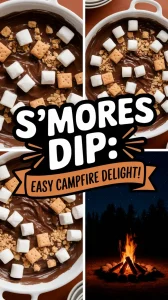
Nothing beats the classic campfire s’mores experience, but our microwave s’mores dip brings that same gooey goodness without needing perfect coals or roasting sticks.
We layer chocolate chips and mini marshmallows in a microwave-safe bowl. The ratio matters here – we use about 1 cup chocolate chips to 1.5 cups mini marshmallows for the perfect balance.
Start with 45 seconds on medium power, then stir gently. The marshmallows will puff up beautifully. Continue heating in 15-second intervals until everything melts together into pure heaven.
What we found works best is using a shallow ceramic dish. It heats more evenly than deep bowls. Serve immediately with graham crackers for dipping – it’s pure camping magic in a bowl.
Pro tip from our camping trips: sprinkle some crushed graham crackers on top before the final heating. It adds that authentic s’mores crunch we all crave.
Crafting the Perfect Breakfast Burrito With Microwave Eggs
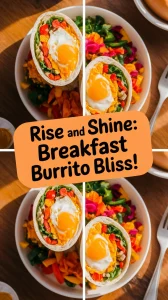
After trying countless camping breakfast options, microwave scrambled eggs in a burrito have become our go-to morning fuel. They’re protein-packed and completely customizable.
We crack 2-3 eggs into a microwave-safe bowl and whisk with a splash of milk. The secret is cooking them in 30-second intervals, stirring between each round. This prevents that rubbery texture we all hate.
While the eggs cook, we warm a large tortilla in the microwave for 15 seconds. This makes it more pliable and prevents cracking when we roll it up.
Our favorite add-ins include shredded cheese, pre-cooked bacon bits, and salsa. Add the cheese while the eggs are still hot so it melts perfectly.
One thing we learned the hard way – don’t overfill your burrito. We used to cram everything in and end up with a messy explosion. Less is definitely more when you’re eating outdoors!
Also See: Cheap Microwave Hot Dog and Mac and Cheese in Minutes
Quick and Cheesy Camping Quesadillas for the Microwave
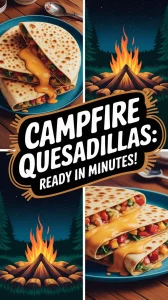
We’ve made countless quesadillas during our camping trips, and the microwave method has become our absolute favorite. No flipping required, no burning, and they come out perfectly melted every time.
Start with a large flour tortilla and spread your cheese evenly across half of it. We prefer Mexican blend cheese, but cheddar works great too. Add any extras like pre-cooked chicken, beans, or peppers at this stage.
Fold the tortilla in half and place it on a microwave-safe plate. Cook on high for 45 seconds, then flip and cook another 30 seconds. The cheese should be completely melted and the tortilla slightly crispy.
One trick we learned is to let it rest for 30 seconds after cooking. This prevents the filling from oozing out when you cut it. Trust us, we’ve made this messy mistake before!
What works best is using about 1/3 cup of shredded cheese per quesadilla. Too little and it won’t hold together, too much and you’ll have a cheesy explosion in your microwave.
Preparing Hearty Chili Cheese Fries With a Microwave
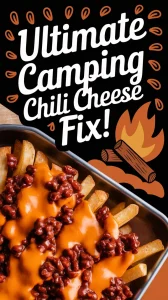
From our experience camping with families, chili cheese fries are the ultimate crowd-pleaser. They’re filling, comforting, and surprisingly easy to make in a microwave.
We start with frozen french fries cooked according to package directions. While they’re cooking, we heat up canned chili in a microwave-safe bowl for 2-3 minutes, stirring halfway through.
Layer the hot fries on a microwave-safe plate, pour the chili over top, then sprinkle generously with shredded cheese. Pop it back in for 30-45 seconds until the cheese melts.
What we found works best is using thick-cut fries rather than thin ones. They hold up better under all that delicious weight. Add sour cream and green onions if you have them – it takes this dish to the next level.
One mistake we made early on was using too much chili. The fries get soggy fast, so start with less and add more if needed. Nobody likes mushy camping food!
Achieving Crispy Hash Browns Using Microwave Power
Getting crispy hash browns in a microwave seemed impossible until we cracked the code. The secret is using frozen shredded hash browns and the right technique.
Spread frozen hash browns in a single layer on a microwave-safe plate. Don’t pile them up – they need space to cook evenly. Microwave on high for 3 minutes.
Here’s the game-changer: flip them over and cook for another 2-3 minutes. We use a spatula to break them up and redistribute. The edges should start looking golden and crispy.
What works best is patting them dry with paper towels before the second round of cooking. Any excess moisture is the enemy of crispiness when it comes to microwave cooking.
Season with salt and pepper while they’re hot. We also love adding a little onion powder or garlic powder for extra flavor. These aren’t skillet-crispy, but they’re surprisingly good for microwave hash browns!

Essential Tips for Mastering Microwave Camping Cuisine
After years of camping and countless microwave meal experiments, we’ve learned that timing and power levels make or break your outdoor cooking success. Start with lower power settings and work your way up.
We always test our campsite microwave first with a simple cup of water. Heat it for one minute and check if it’s hot. This tells us exactly how powerful we’re working with since RV and cabin microwaves vary wildly.
One mistake we made repeatedly was using our home microwave timings at camp. Every microwave is different, so always start with less time. You can always add more, but you can’t undo overcooked, rubbery food.
What we found works best is cooking in shorter intervals and stirring frequently. This prevents hot spots that leave some parts scorching while others stay cold. It’s worth the extra 30 seconds of effort.
We learned this lesson the hard way when we nuked a bowl of chili for three minutes straight. Half was molten lava, half was still cold. Now we heat for one minute, stir, then continue in 30-second bursts.
Keep your portions smaller than you would at home. Microwave cooking works better with single servings rather than family-sized portions. Plus, it’s easier to reheat seconds than to fix an overcooked disaster.
Always use microwave-safe covers or vented lids. Food splatters are annoying at home, but they’re a real pain when you’re trying to keep a borrowed RV microwave clean. We use paper towels or microwave-safe plates as covers.
Must-have Microwave-safe Gear for Outdoor Cooking
From our camping experiences, having the right microwave-safe containers can make or break your outdoor cooking game. We’ve tried everything from fancy camping cookware to dollar store finds.
Our absolute must-have is a set of microwave-safe bowls with lids. We prefer the glass versions because they heat more evenly than plastic. Pyrex measuring cups work great too since they have handles and pour spouts.
What we found works best are shallow, wide dishes rather than deep bowls. They cook more evenly and you’re less likely to end up with cold centers. A 9-inch microwave-safe plate is perfect for quesadillas and heating multiple items.
We always pack microwave-safe mugs for drinks and single-serving meals. Ceramic handles stay cooler than plastic ones, which matters when you’re grabbing hot containers with camp gloves on.
One piece of gear we wish we’d discovered sooner is a microwave bacon tray. It’s got ridges that let grease drain away, and it works perfectly for heating pre-cooked breakfast meats without them getting soggy.
Paper towels are camping gold for microwave cooking. They work as covers, clean up spills, and can even be used as plates in a pinch. We pack at least two rolls for any camping trip longer than a weekend.
Don’t forget oven mitts or heat-resistant gloves. Microwave containers get surprisingly hot, especially glass ones. We learned this the hard way during our first RV trip when we grabbed a scorching Pyrex dish bare-handed.
What surprised us most was how useful plastic wrap became for camping microwave cooking. It creates steam for better heating and prevents splatters. Just make sure it’s labeled microwave-safe and vent one corner.
Start Your Microwave Camping Adventure Today
We’ve shared six incredible microwave meals that will transform your camping experience from basic to brilliant. These recipes prove that outdoor cooking doesn’t require complicated equipment or hours of preparation. With just a portable microwave and some basic ingredients, you can create restaurant-quality meals under the stars.Pack your microwave-safe containers and give these recipes a try on your next outdoor adventure. Start with the breakfast burrito or blueberry pancakes for an easy morning win. Once you master these techniques, you’ll wonder why you ever settled for cold sandwiches and granola bars while camping.